Programs in Building Community
Families at the Border

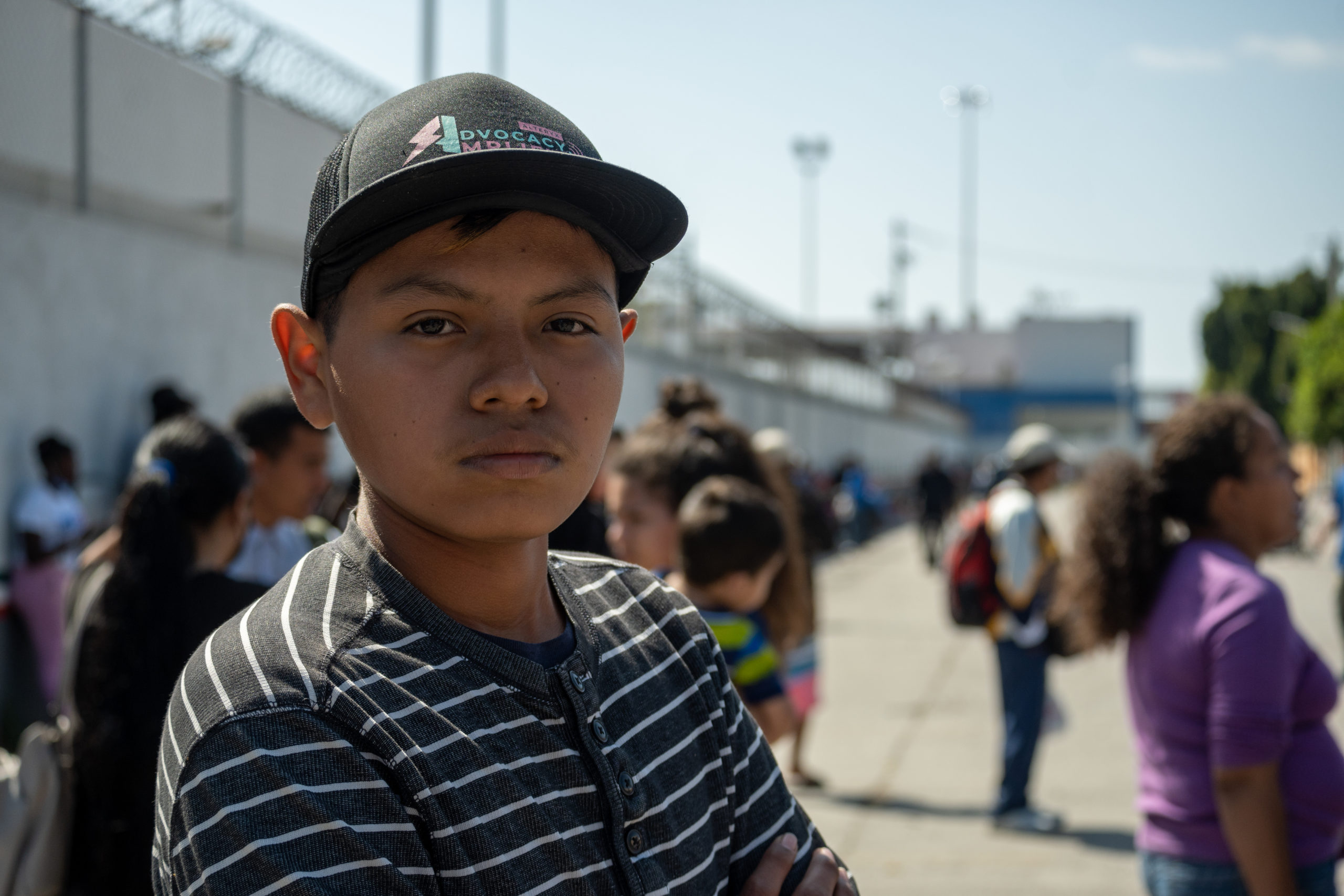
We are a group of community members, physicians, medical professionals, and university affiliates working toward improving the health and wellness of immigrant families and youth at the US- Mexico border.
What we do
In partnership with Prevencasa, Justicia en Salud, Refugee Health Alliance/ Resistencia and Nest Global— community-based organizations in Tijuana — we work to provide education and material support to help fulfill critical needs of migrant families.
Current projects
Telehealth/Helping Babies Breathe (paused)
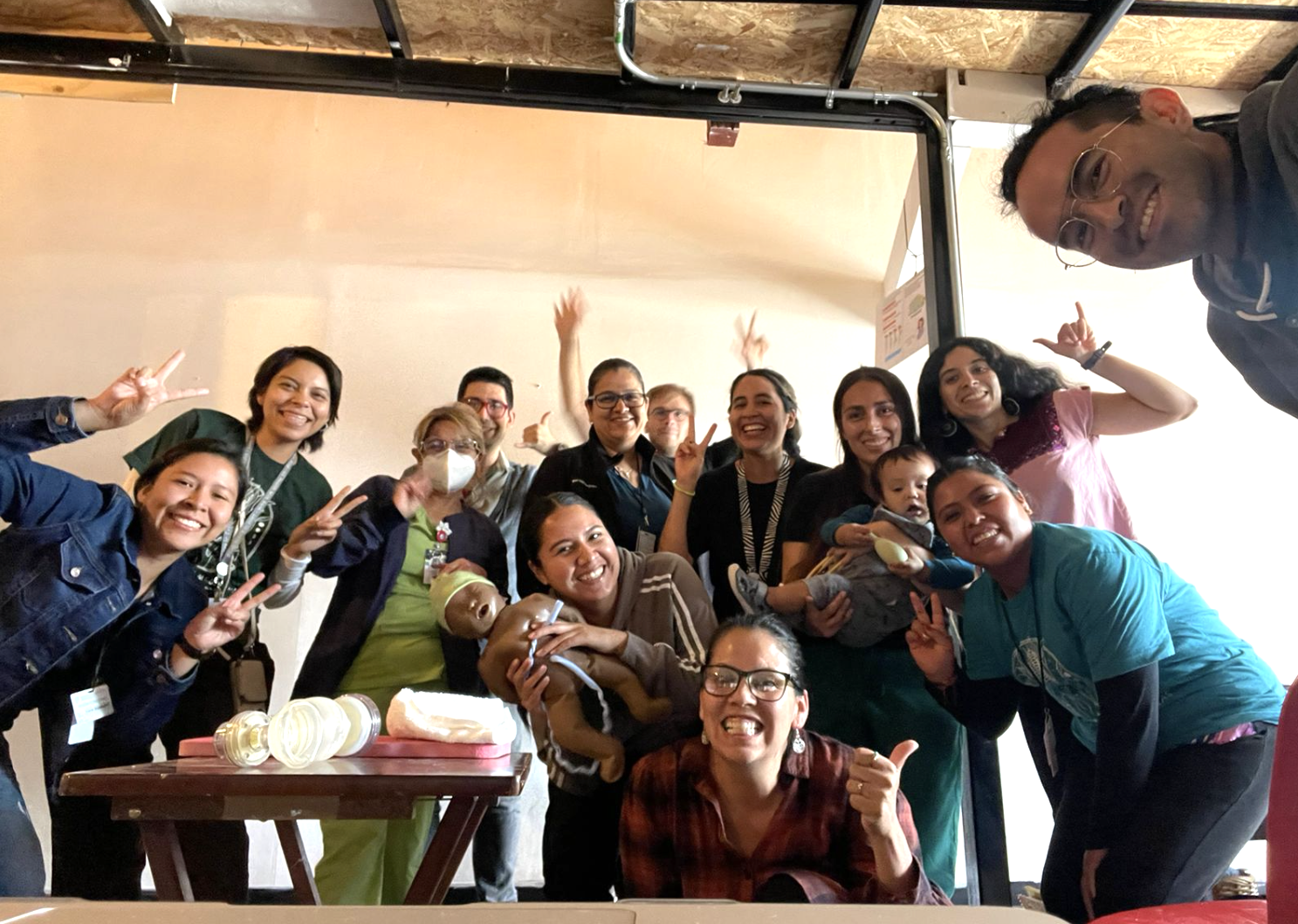
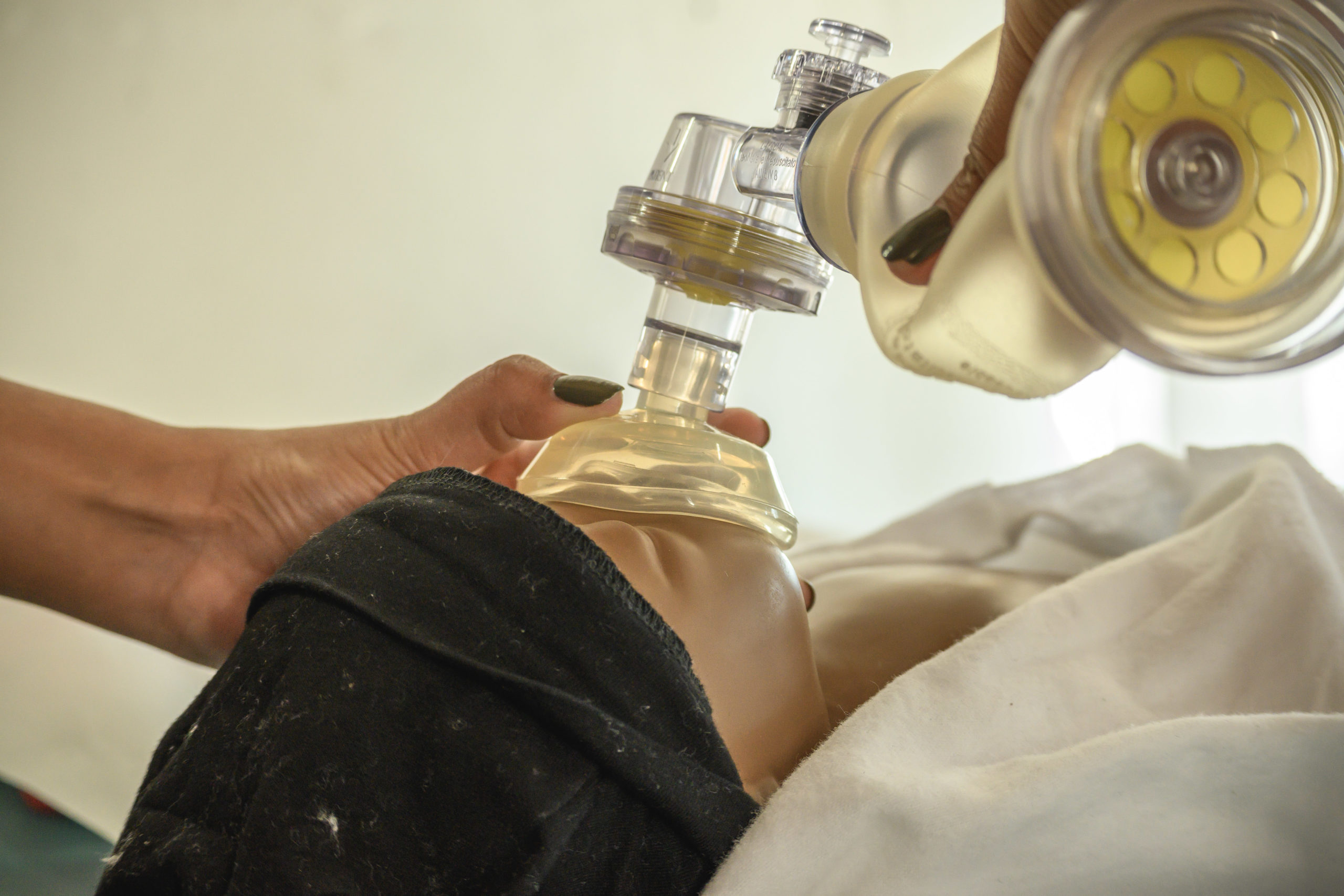
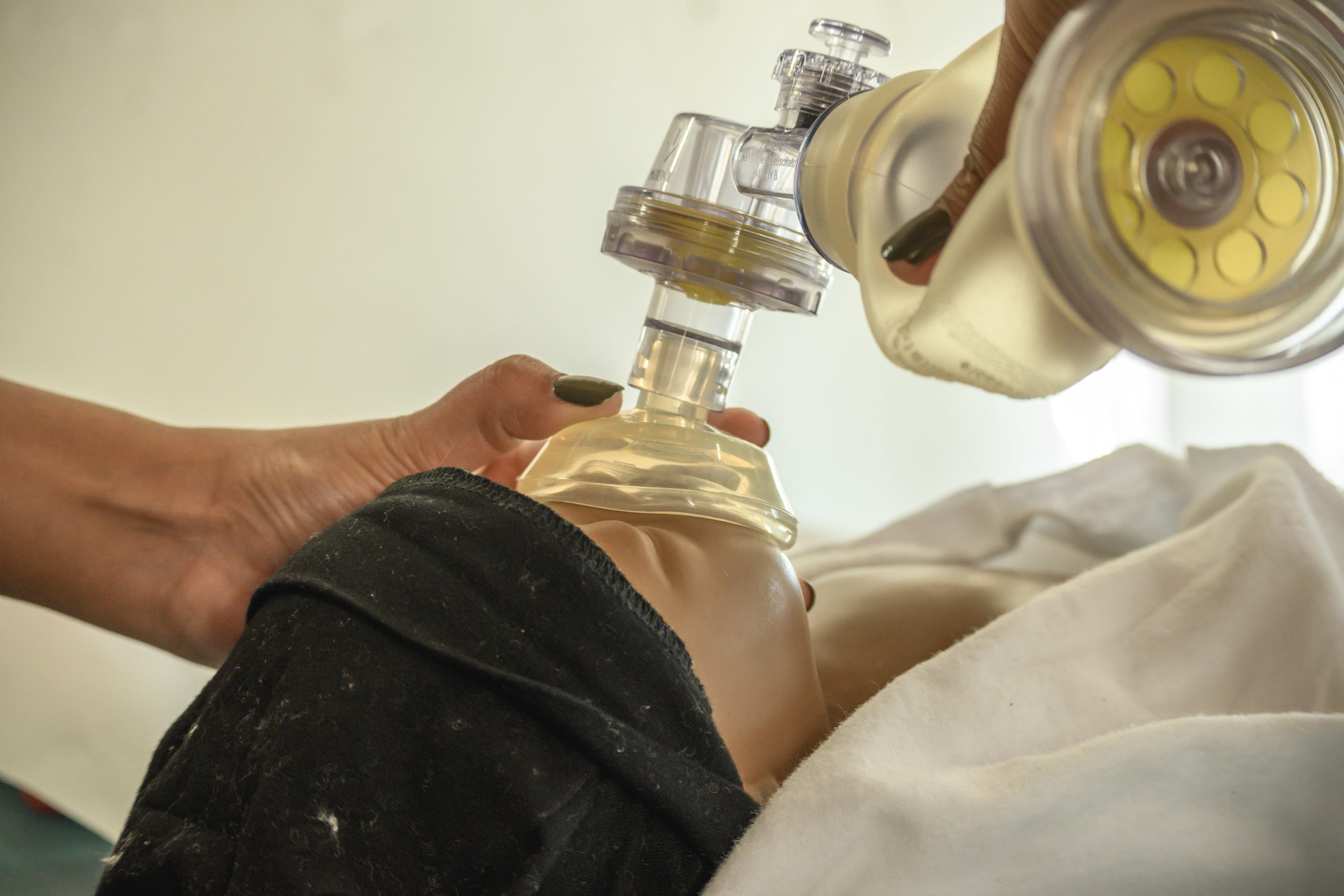
In response to the constraints of COVID-19, we supported the integration of telehealth programs in border clinics through technology resource donations and clinical trainings to provide for the safe care of patients, in partnership with local midwife Ximena Rojas. Even after pandemic conditions eased, telehealth has remained a valuable bi-directional training model. This is exemplified by the Helping Babies Breathe program led by Dr. Maggi Smeal. Medical professionals from Stanford Medicine have developed and taught a post-birth resuscitation curriculum known as “Helping Babies Breathe” to on-the-ground providers in Tijuana. Through donorship, they have also sent essential equipment and supplies for medical training.
As the program evolves, it is incorporating more bidirectional training elements, including midwives working in Tijuana training Stanford practitioners about cultural competency at the border. Families at the Border also provides additional trainings on various aspects of newborn health response to local need. A team lead by Dr. Xin She presented about these efforts at the Consortium of Universities for Global Health Conference. The team was also recognized with the Untold Global Health Story award by CUGH.
Community-based participatory parenting programs at NestGlobal Tijuana (concluded)
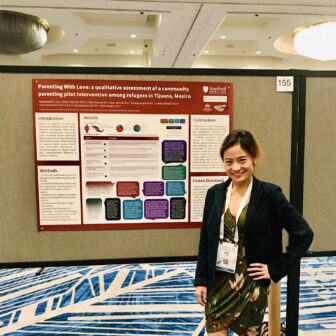
“Based on a collaboration with Nest Global and Universidad Iberoamericana in Tijuana, and funded by a Stanford Global health Seed Grant and a US-Mexico Fulbright award, an evidence-based curriculum named ‘Parenting with Love” was cocreated with refugee and migrant parents in two large shelters in Tijuana. Preliminary results indicating improvements in parental mental health were presented at the national American Academy of Pediatrics conference, the Stanford Global Health Convening and the Consortium of Universities for Global Health Conference. Currently, 5 manuscripts are being drafted and submitted, and Nest Global is implementing the curriculum year-round in Tijuana. Former Stanford Med Scholar Lillie Reed and Dr. Xin She talk about some of their reflections in this interview.
Nest Global is a nonprofit whose mission is to create preschool programs of the highest caliber for children and families around the world who need them most: those experiencing forced displacement and extreme poverty. They are active in Tijuana and other locations near the US-Mexico border. FATB has recently supported the nonprofit’s efforts through donations of educational supplies and collaborating on research and education.
Our past projects
Clinical Care and Education
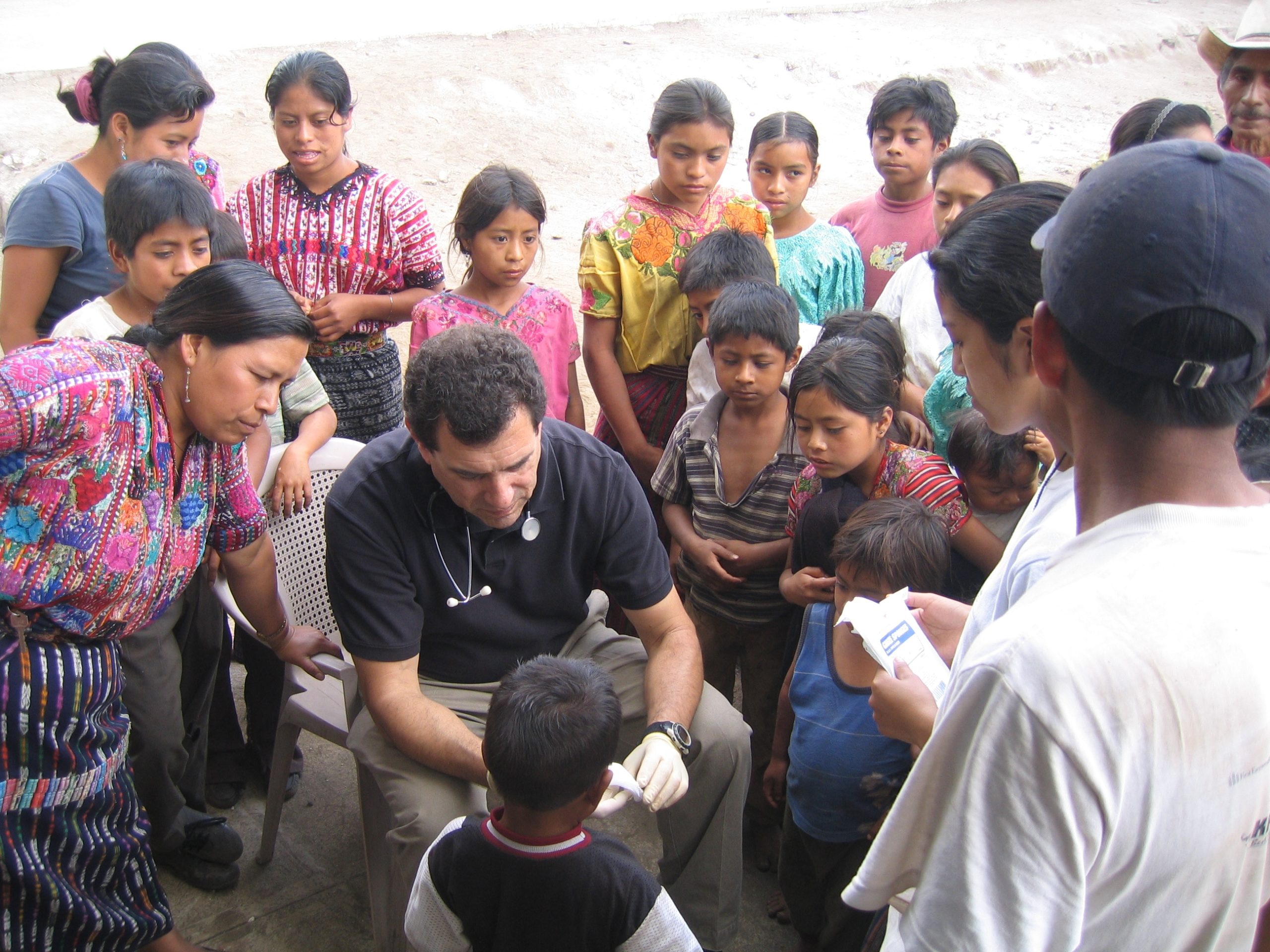
When possible, given pandemic and safety conditions at the border, volunteer physicians and nurse practitioners provide in-person teaching and direct care at two free clinics that see a large number of refugee women – Prevencasa and RHA (Refugee Health Alliance). The Stanford Ob/Gyn team also provides instruction on women’s health care subjects for local physicians who have recently graduated from medical school. When not on site, the Stanford OB/Gyn team provides remote consultation to both clinics, including a very active midwifery service at the RHA location.
Improving Local Clinical Support
In partnership with the CORE (Coordinating and Optimizing Resources Effectively) Program in the Lucile Packard Children’s Hospital, we’ve created systems to better identify, screen, and support asylum-seekers at our hospital. We’ve disseminated this work at the 2021 National American Academic of Pediatrics Conference and the 2021 NorCal American Case Management Association Conference.
Providers
Working in partnership with Refugee Health Alliance (RHA) and local clinic Prevencasa, FATB has worked diligently to build the capacity of Tijuana’s shelters and clinics to address the growing primary care needs of the increasing refugee population.
Supplies
Our partner shelters and clinics communicated a desperate need for medications, medical supplies, and necessities for sanitation, warmth, and safety. In 2019, we were able to complete 8 full deliveries of essential resources through the generous donations of our supporters. In 2020, we supported shelter needs through the recruitment of sponsorships and donations from partners across the Bay Area. We continue to support our partners by sending needed supplies.
Nutrition
With the help of our partners in Tijuana, we organized a pilot nutrition program for children and their families. Alongside an educative curriculum, students at the Canyon Nest shelter were given weekly snack packs to encourage and promote healthy eating habits.
Support during COVID-19
The alarming rise of COVID19 in many areas along the border over-burdened already strained clinics. In response, FATB supported the integration of telehealth programs in clinics through technology resource donations and clinical trainings to provide for the safe care of patients.
Get involved
Sign up for our listserv
Stay abreast of the latest news and opportunities, and learn about our monthly meetings by joining our listserv.
Join our efforts
If you are interested in being part of our work, fill out the FATB interest form.
Support the Program
If you’d like to financially support FATB, please contact the program leaders for ways to donate by emailing familiesattheborder@stanford.edu or click the link below.
Our Leadership
In addition to the core leadership team highlighted here, a diverse and dedicated team of volunteers contributes to FATB's efforts. They are vital to our success!




Contact us
If you have questions, contact Program Coordinator Ola Alani via the FATB email address.
Celebrations and Impact
FATB Impact Dashboard by Ola Alani